By Joy at the Southern Schoolhouse
Dry Erase Markers and Individual White Boards:
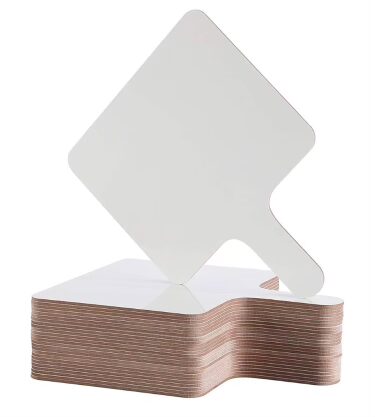
If you are just starting out as a special educator and have limited cash (hah!) you can adapt or create materials and deliver multi-modality lessons using these budget friendly items.
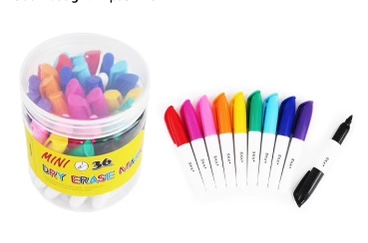
Dry erase markers and individual white boards can be used in place of paper pencil to work out math problems, practice letter formation or answer questions about the text. These items can be used to adapt curriculum across grade and ability levels. They help students be involved, keeping attention and participation at an all time high. For example, you can call out a word that uses your current decoding skill and each student can write this out. You can look and know in an instant who needs additional assistance, then individually deliver help. The featured paddles are great for writing and raising up answers while the traditional line board is good for letter and number formation.
Plastic Sleeves:
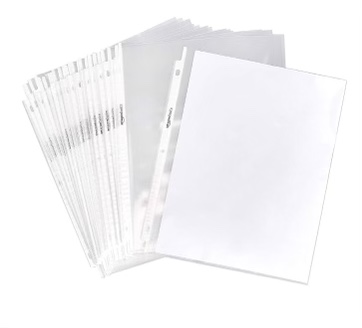
These inexpensive plastic sheet protectors are my favorite “on a budget tool” for adapting materials. You can slip in a worksheet and hand the student a dry erase marker, instantly encouraging a hesitant writer. These can be used to upgrade a center making it reusable for the next student or for multiple practice sessions, enabling repeated use of a single printed sheet. They provide protection for visual schedules, communication boards or other needed visuals. Using plastic sleeves is a cost-effective, flexible, and student-centered way to support differentiated instruction, increase engagement, and promote independence in special education settings.
Timers:
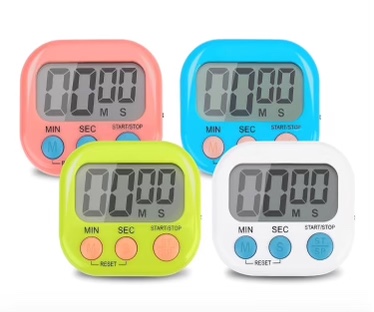
Timers are another cost effective and highly adaptable tool for the special education classroom. Timers help create clear expectations, support transitions, and improve time management for both students and staff. Shannon and I use them when signaling for a change in our rotations or when it is time to transition back to class. Having a transition warning is very helpful for some students, reducing anxiety and behaviors while reinforcing the daily routine.
Timers can be used for the calming space or to keep track of the duration of some behaviors. I often will give my high need students a choice, giving them the feeling of control. “Do you need 3 or 5 minutes in the calming corner?” Then set the timer accordingly.
Timers also help with attention to task. By setting a timer for short work intervals, you can create manageable chunks of learning time that feel more achievable for your students.
Clear tape and Labels:
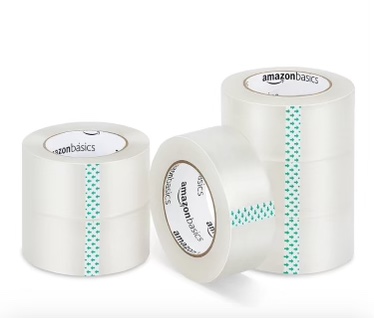
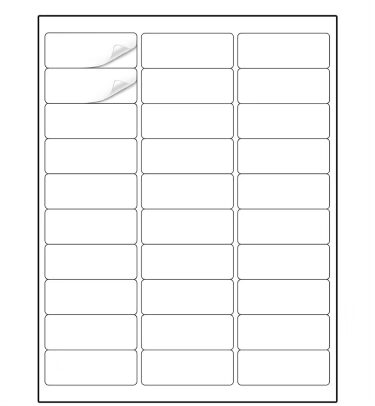
Clear packing tape and labels can be used all over the classroom to create organized spaces and materials. I use labels to mark supplies, student areas, and centers, and then cover them with clear tape to keep them from peeling or getting dirty. It makes everything last longer, especially when things are handled a lot.
I also use the tape to secure visuals, behavior charts, and schedules to desks, folders, or walls. Keeping these in place helps students use them more independently, without needing constant reminders or help from adults. When visuals are taped down where students can always see them, they’re more likely to use them as part of their routine.
Also consider using clear tape and labels to mark areas on tables or the floor—like where to sit, line up, or keep supplies. It gives students a clear visual boundary, which helps with personal space and organization.
Using clear tape and labels might seem simple, but they really help create structure, reduce distractions, and support independence—especially for students who benefit from visual supports and routine.
Velcro Dots and Binder Rings:
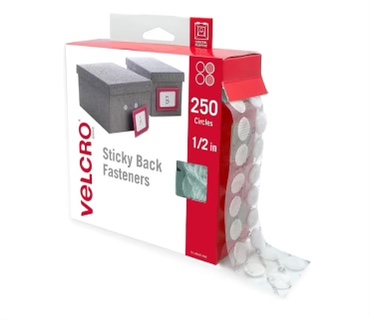
Velcro dots and binder rings can be used in hundreds of creative ways within the special education classroom. These tools enhance classroom organization, independent activities and differentiation and adaption of classroom materials.
I use velcro dots to secure and create visuals such as first/then boards, adaptive books, and simple counting/matching activities. They can be used to adapt tests or other materials for children with motor difficulties. For example, on a sound/letter matching worksheet, I will print and laminate two. Then I secure the velcro dots to the pictures and the child can easily secure to the correct letter instead of cut and glue.
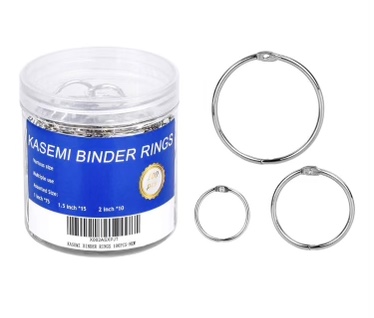
Binder rings can be used to bind simple books, keep together sight words, or create laminated center activities. I have used these successfully with sight words, visuals for communication, presentations, and math flash cards.
Paint Dot Markers:
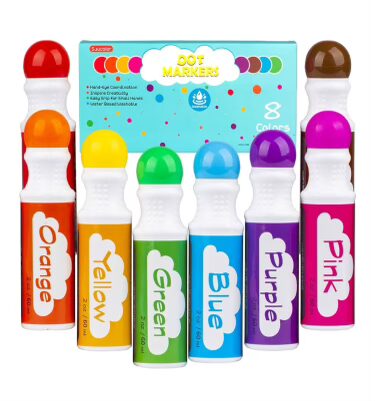
Dot markers are a fun and engaging learning tool for the special education classroom. These washable paint dot markers can be used for numerous number sense activities within special education. For example, you can simply write the number four and the student can stamp four circles or use them to create all the partners of 10.
I also use mine for sight word practice. Teacher pay teacher has “dauber” activities for purchase. I found a great one that includes a sight word seek and find. The student must find the word we are working on and then stamp and say this word using their dot marker.
Fidget Bands for Chairs:
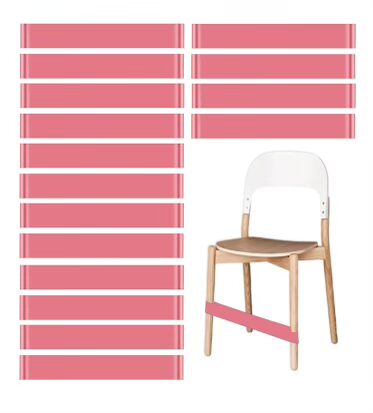
Fidget chair bands are a great first sensory seating tool to try in your classroom. They’re inexpensive, easy to set up, and don’t draw a lot of attention—a great starting point if you’re new to using sensory supports.
The bands come in many colors and provide enough resistance and movement to help students who need to wiggle, without becoming a distraction to others. I’ve used them in both general and special education settings, and they’ve made a difference with my students. These are the bands I currently use in my classroom.
Students can push down or press back with their feet, giving them that extra bit of sensory input they need to stay focused. It’s a simple tool, but it can help with self-regulation and attention during seated work. You can read more about fidget chair bands in our article, Sensory Seating: Creating Comfort and Focus for Every Learner
Disclosure: This post may contain affiliate links, meaning we get a small commission if you decide to make a purchase through our links, at no cost to you.