
Simple Classroom Management Techniques That Make a Big Difference
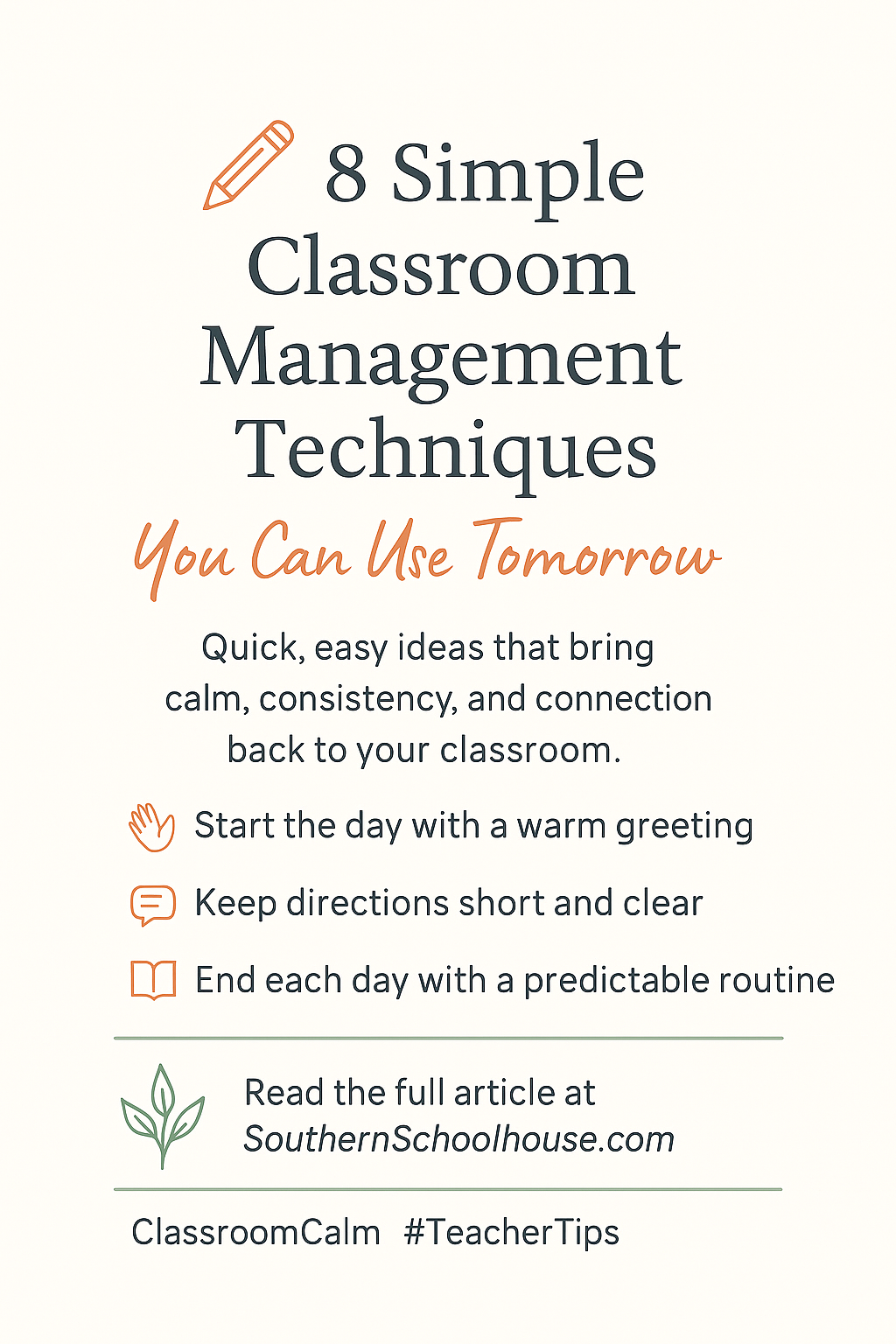
Classroom management doesn’t have to mean complicated systems or endless behavior charts. Sometimes, it’s the small techniques you use each day that set the tone for success. These simple, consistent habits help create structure, calm, and connection, without adding to your already full plate.
Setting the Stage for Success: Building Classroom Expectations Through Literature and Collaboration
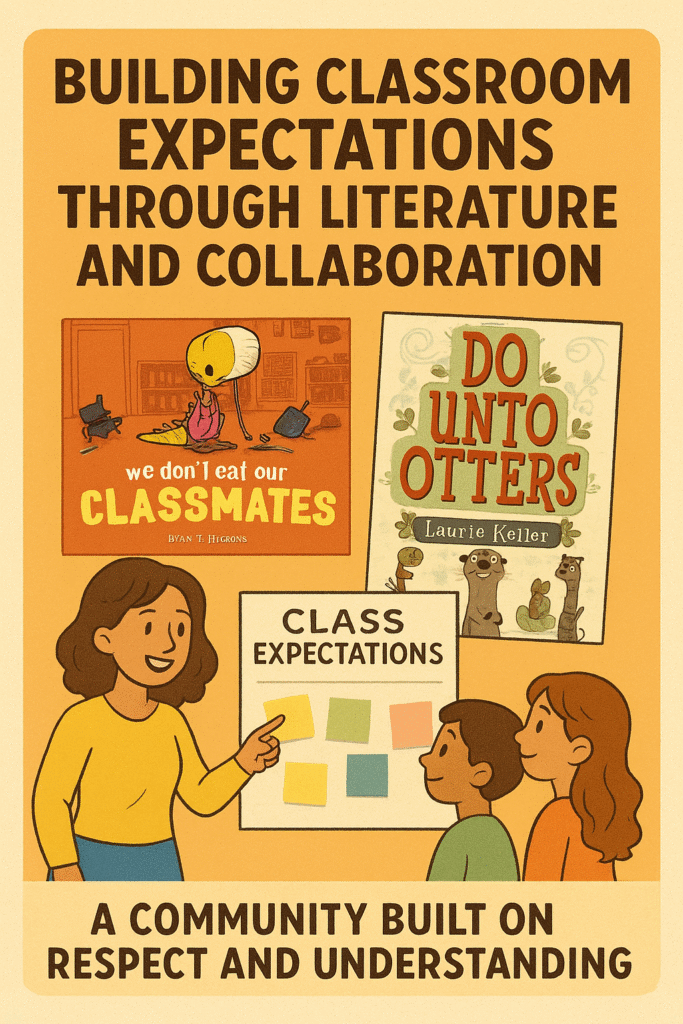
The first day of school is the perfect opportunity to lay the foundation for a positive and respectful classroom community. I like to use a mix of engaging picture books, discussion, and student collaboration to help create a safe and inviting learning environment where everyone feels valued.
Day 3: Smooth Transitions Start with Consistency
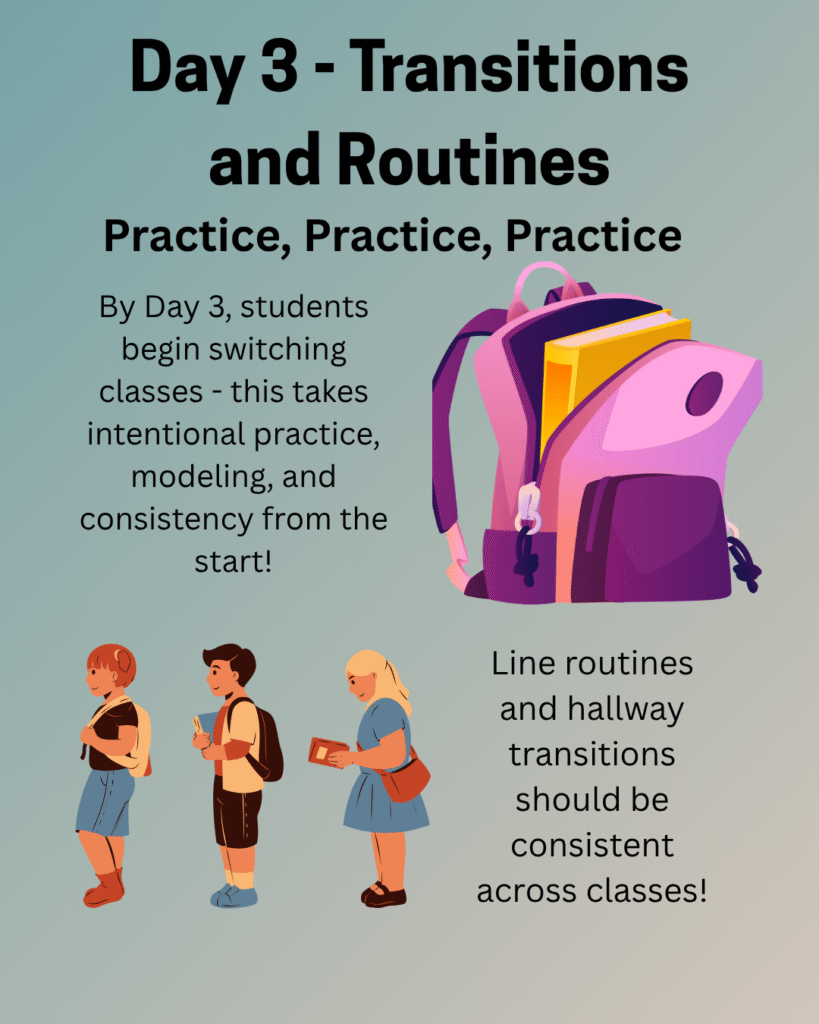
By day 3, we begin switching classes. This requires a lot of practice and modeling. Where do backpacks go? What materials do you need? Where do you line up? How do you switch with the least amount of issues?
Day 1: How to Build a Respectful Culture
The first day of school isn’t just about meeting your students, it’s about setting the tone for your entire year. Respect, community, and structure start on Day 1.
5 Innovative Activities to Create a Classroom Family
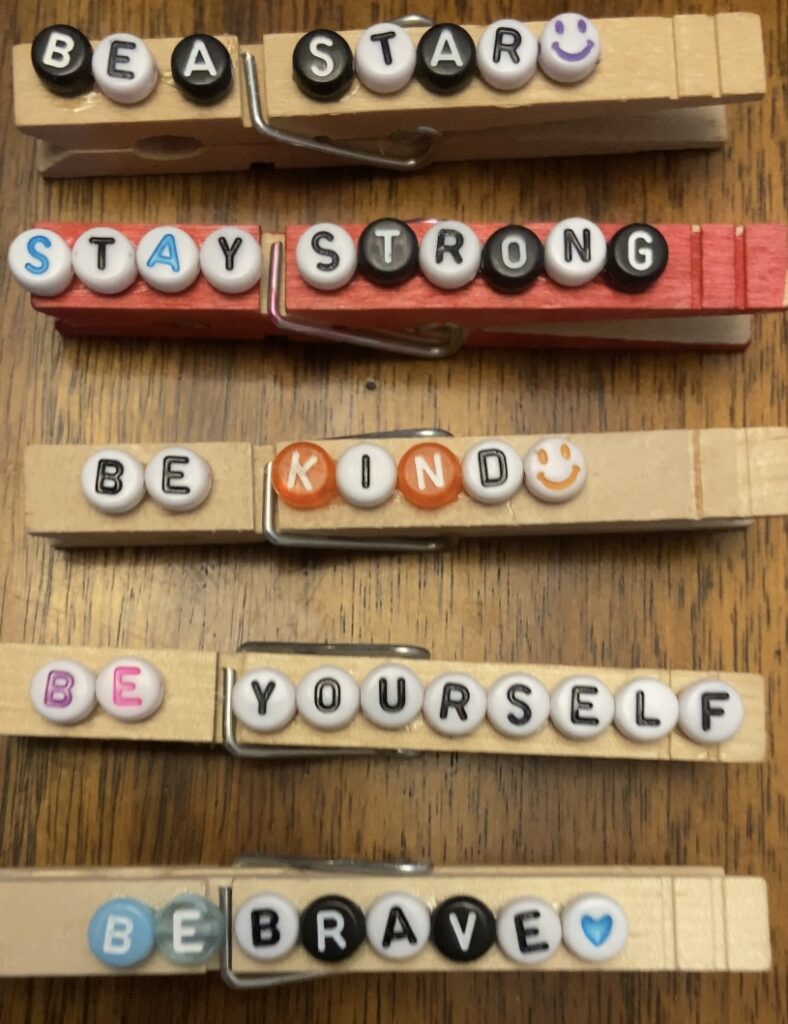
Kick off the school year with 5 simple peer connection ideas that help build trust, kindness, and classroom community from day one.
Stress-Free Sub Plans: Easy Tips for a Smooth Classroom Takeover

A day off for a teacher is not easy. There is so much that goes into planning for a sub. This article, will provide a few simple things you can do to make taking a day off a little easier.
Top Tips for Substitutes to Ensure a Successful Day in the Classroom
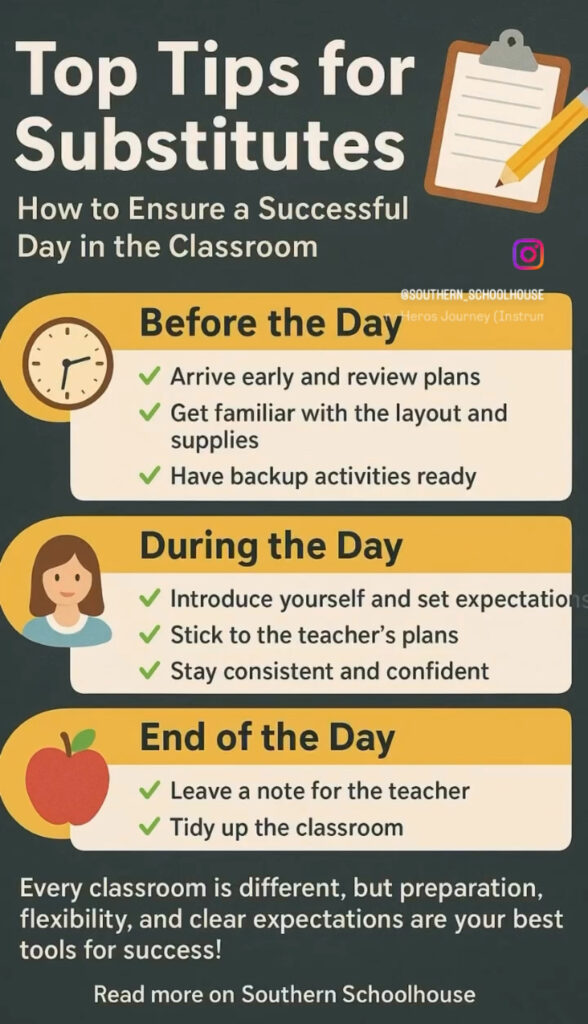
Being a substitute is not easy. Unless you are completing a long-term sub position for a teacher, every assignment can be a challenge, a new grade, a different school, and a set of students that you are not familiar with.
Managing Reading Rotations and Small Groups: A Guide for Teachers

As I have observed and discussed with my various mentees over the past few years, managing reading rotations and small groups in the classroom has been a recurring topic of conversation. Every teacher has different styles and ways to organize and manage their classroom. I’ve learned that routines and consistency do not always come easily. In this article, I will provide an example of how to structure and organize your daily reading rotations.