
Easy Timeline for IEP Paperwork
Preparing for an IEP meeting does not have to feel overwhelming. Much of the stress comes from feeling rushed or unsure about timelines. Having a simple system in place, especially early in the school year can make IEP preparation feel manageable and organized.
Easy Behavior Data Collection Systems to Implement this Week

Collecting behavior data can be daunting. Whether for daily monitoring, reports, or a BIP, it is important to have accurate, easy-to-gather data.
Simple Ways to Help Your Child Stay Calm During Busy Seasons
Simple Ways to Help Your Child Stay Calm During Busy Seasons
By Shannon at the Southern Schoolhouse
Simple Daily Goals: A Practical Strategy for Struggling Students
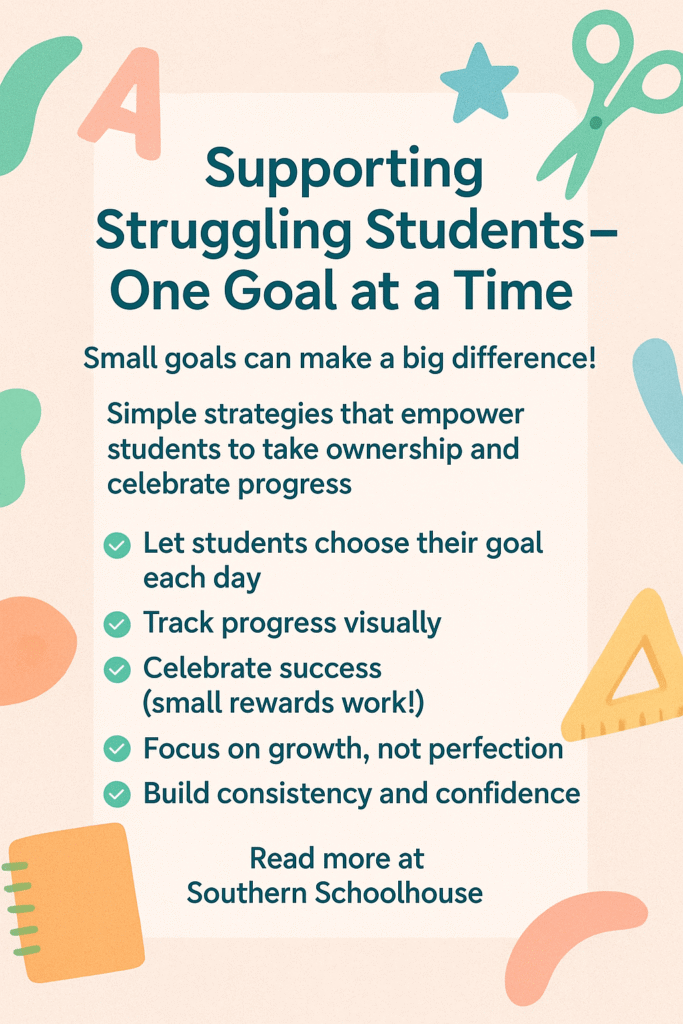
Every student struggles at some point, whether it’s staying on task, managing emotions, or navigating social situations. Instead of focusing on what’s not working, one of the most effective ways to support these students is to give them ownership through small, achievable goals.
Practical Ways to Bring Social-Emotional Learning Into Your Classroom

Social-Emotional Learning (SEL) isn’t an “extra” to squeeze in, it’s a way to support both student growth and academic success. When students understand their emotions, manage challenges, and collaborate with peers, they’re better prepared to learn and thrive. The good news? SEL can be woven seamlessly into your everyday lessons.
The Power of Social Stories in Supporting Children
When I transitioned from being a general education teacher to an EC resource teacher, I had the privilege of teaching and supporting a special young man for three years. Diagnosed with autism, he quickly became near and dear to my heart. Over the course of those years, I watched him grow and mature, and it was incredibly rewarding to be a part of his academic and social-emotional development. In many ways, I feel he taught me more than I ever taught him.
Tracking Success: Using Data Collection to Monitor Student Behavior

In education, the term “data” is often heard throughout the day. In the early childhood (EC) world, “data” is especially emphasized when discussing students involved in the referral process, reevaluations, annual IEPs (Individualized Education Programs) and behavior intervention plans (BIPs). This article will focus on how to create a daily data collection sheet for students with a BIP.
“Playful Paths to Reading: Hands-On Early Literacy Activities”
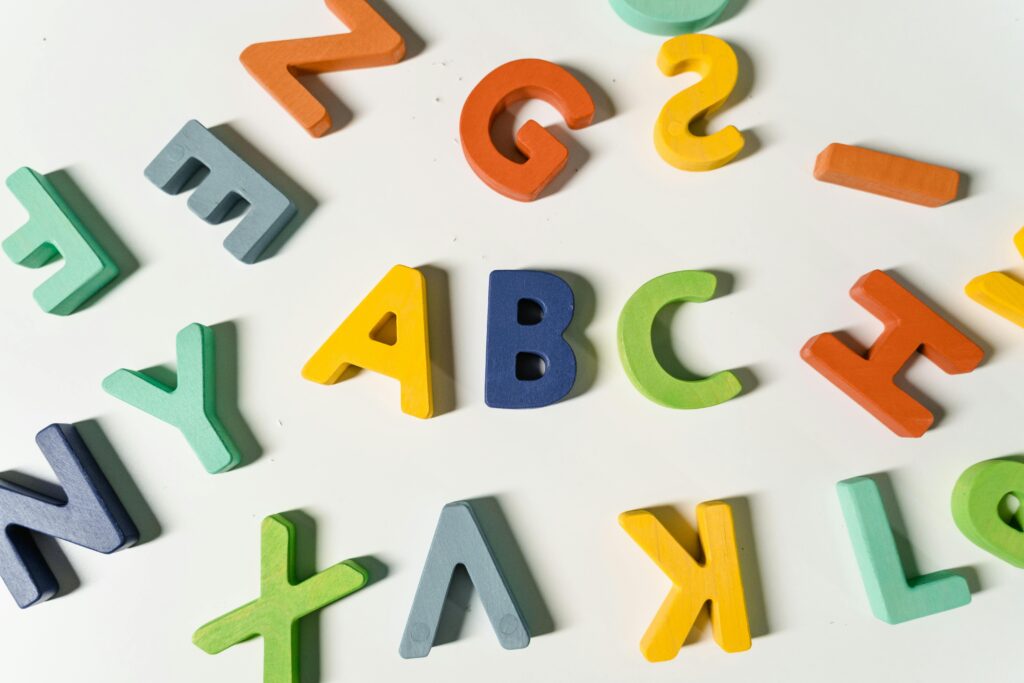
Hands-on early literacy activities is all about making early literacy development fun, interactive, and engaging for young children. I am sharing some tools and games that combines play with learning, giving children an opportunity to explore and practice literacy skills through interactive experiences.
How to Teach Letter Identification and Formation

Teaching letter identification and formation is a commonly taught skill in early grades and special education. All littles, including those with motor and attentional difficulties will benefit from a multi-sensory approach to learning this skill.
Organizational Systems in Small Group Learning

In all aspects of teaching, it is important to be organized and ready for each transition. When I moved from the regular classroom to the EC resource position, I found that my organization had to look different. In this article, I am going to share how I organize my materials for the many transitions I have throughout my day. I know not every technique works for everyone and even after six years, it is still a work in progress.
Dynamic Collaboration: Team Teaching Through Rotating Stations

Joy and I are the only two resource teachers at our school. It has taken us a few years, as our EC (Exceptional Children) population has grown, to figure out ways to fit everyone into a schedule. Covering service time, as well as building in time for our transitions, is always a challenge.
Creating Success: How to Hold a Positive and Productive IEP Meeting

If you teach special education, it often feels like teaching is a part time job compared to the amount of paperwork and meetings that you have to hold.