By Beth and Shannon at Southern Schoolhouse
On day 2, we also start layering in more academics, but we never stop reinforcing structure. Transitions, responsibilities, and end-of-day routines help students feel safe, confident, and capable.

We usually begin academic instruction on Day 2, often starting with math. While our read-alouds support reading skills and emotional learning naturally, math tends to feel like a fun and safe subject to begin. Students often feel confident in math, and it lets us observe how they work independently and in groups.
Depending on the observation of the class, we’ll do a whole group game, small group activity, or partner work. This flexibility is key and by Day 2, you’ll already start to get a feel for what your class needs most.
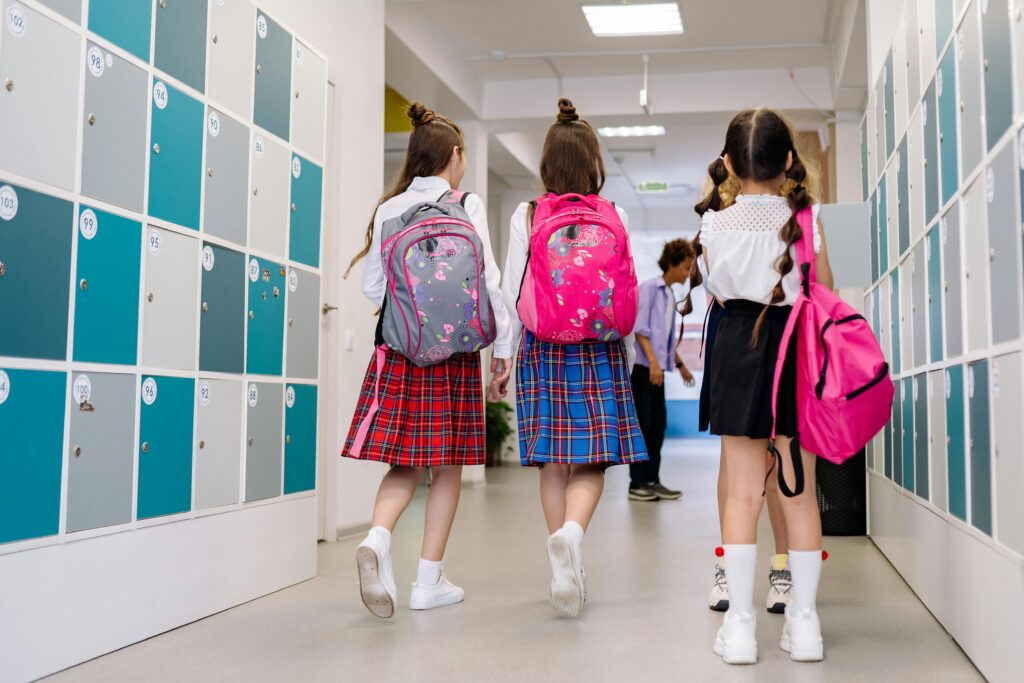
We also model and practice expectations for transitions in the hallway, lunchroom, bathroom, and recess. If we see a situation that needs correction (like noise in the hallway or issues during recess), we pause and talk through it as a class. These moments are not discipline, they’re learning opportunities.
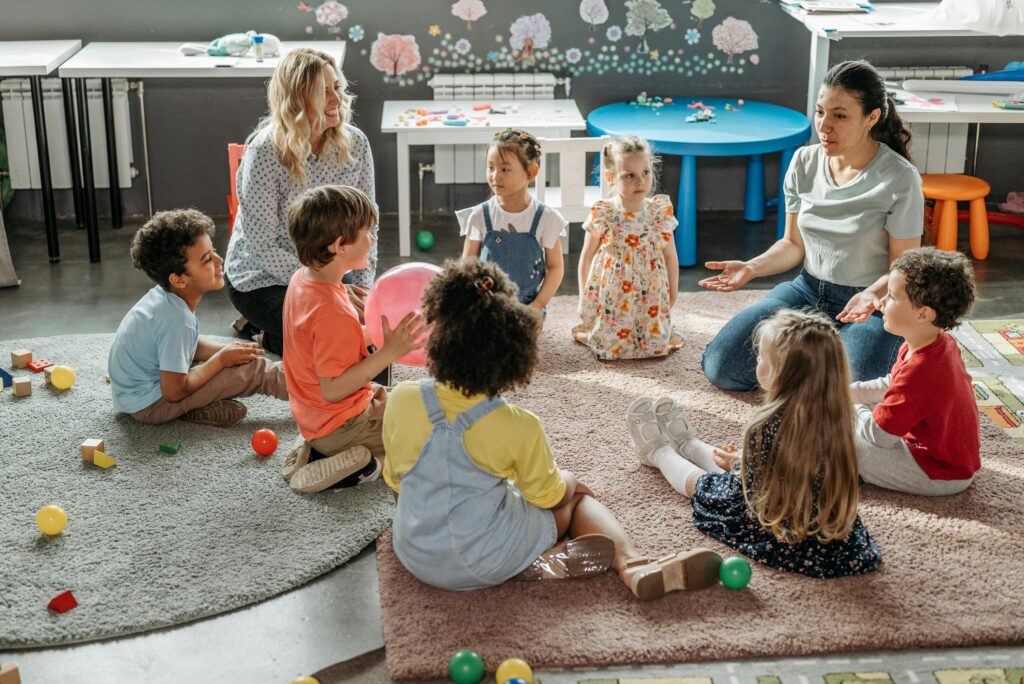
Toward the end of the day, we always take a few minutes to reflect on the positives. Ask students what went well. They’ll surprise you with what they notice. This builds a culture of celebration, mindfulness, and accountability.
We also preview what’s coming for Day 3. Students do not love surprises, so setting expectations in advance helps them feel confident and calm. This is especially important if you’re departmentalized, like we are. By this point, we usually begin switching classes, which takes tons of modeling. Students need support learning how to manage materials, move classrooms, and take ownership of their belongings. Transitions can be tricky for any student, but they can be especially tough for EC students, so extra support is essential.
The classes involved in the transitions should have a plan beforehand, and consistency is key to things working smoothly.
The second day of school is still all about teaching, not assuming. Transitions, routines, and expectations all take time, but when taught with care, they form the backbone of a well-run classroom. Stay tuned for Day 3, where we’ll keep the momentum going with stronger academics and continued community growth.