By Shannon and Beth at the Southern Schoolhouse

The first day of school isn’t just about meeting your students, it’s about setting the tone for your entire year. Respect, community, and structure start on Day 1, and we’ve found that the earlier we establish expectations, the smoother the rest of the year flows.
The Power of Classroom Expectations:
Begin by laying the groundwork for your classroom expectations. At the beginning of the year, we introduce a “Class Expectations” chart (co-created with the students) and have each child sign it. The word expectations helps set a positive tone and encourages the behaviors we want to see. It focuses on what students can do rather than what they shouldn’t. While ‘rules’ often rely on ‘Do Not’ statements, expectations guide students toward a clear, shared vision of success and create a more encouraging classroom environment. This visual reminder stays posted all year and becomes a key reference point when we need a quick reset or reinforcement.
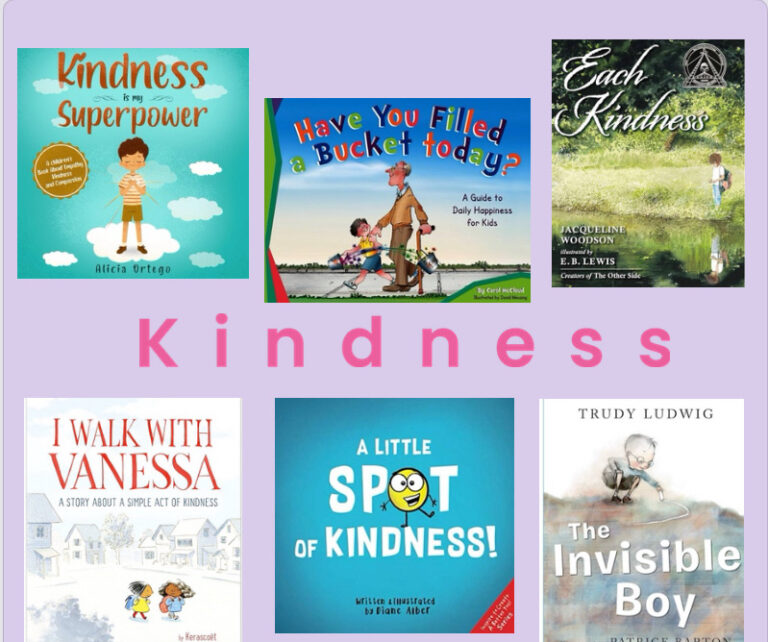
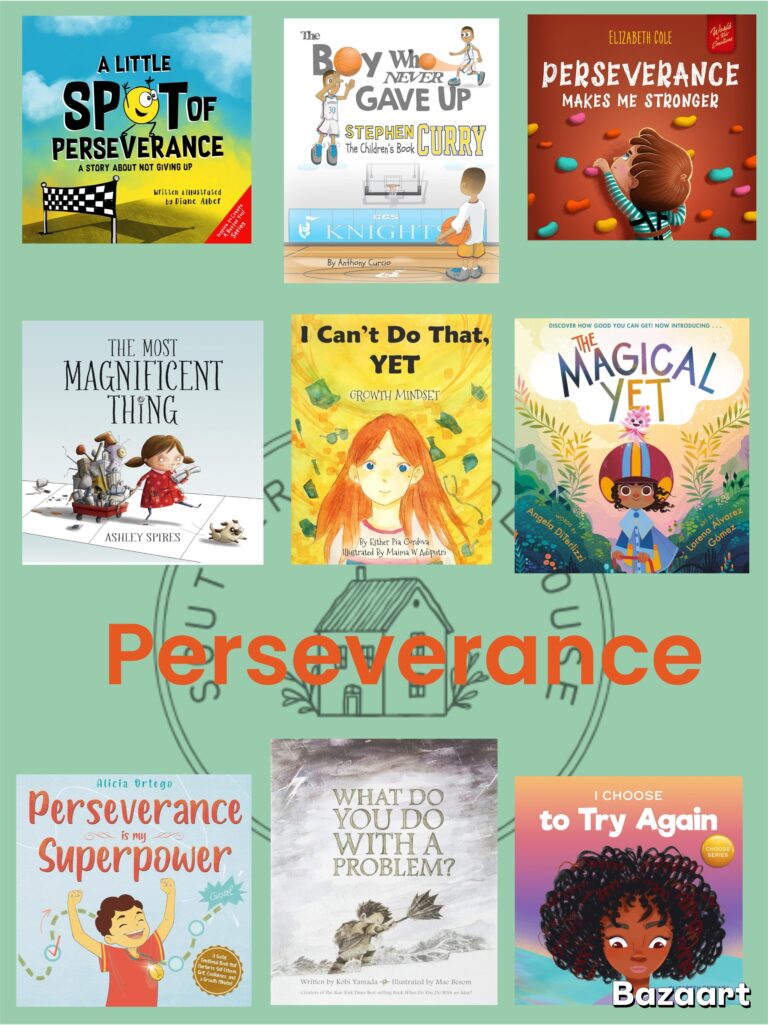
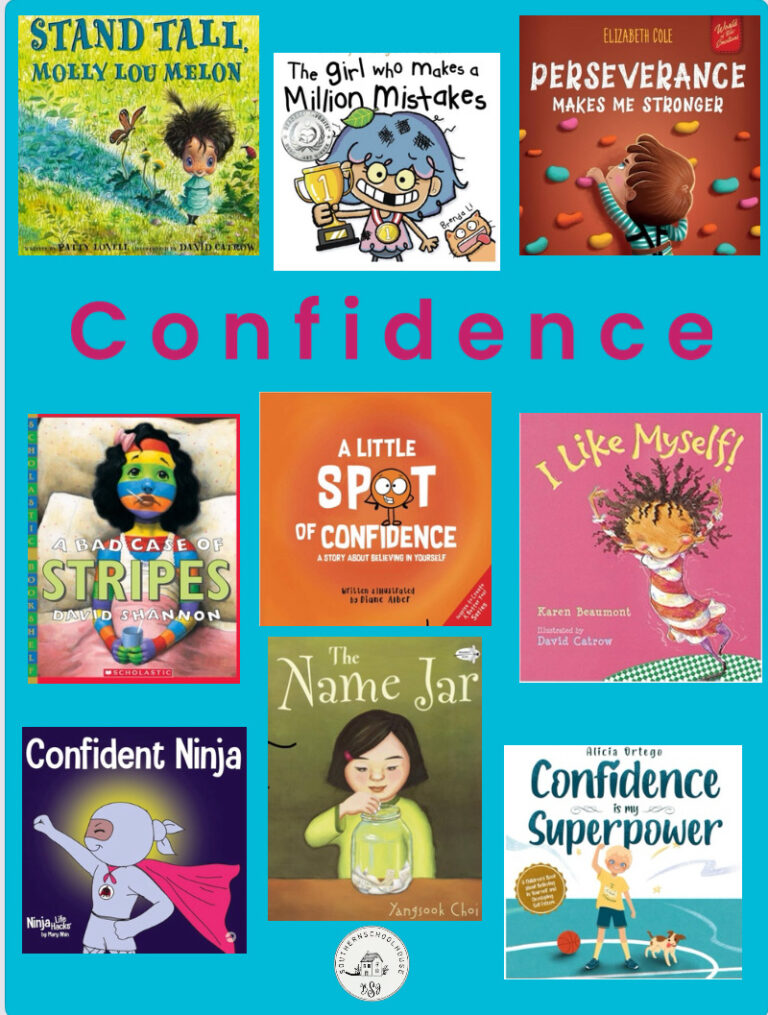
To support this, we use back-to-school picture books that open the door to meaningful conversations about behavior, feelings, and relationships. Books provide truths that stick whether it’s learning how to be a good friend, showing kindness, managing big emotions, or understanding that everyone belongs. They offer students a safe way to explore tough topics like making mistakes, feeling nervous, or navigating new social dynamics.
A few of our favorite read-alouds for the first week include the following (others include):
- We Don’t Eat Our Classmates by Ryan T. Higgins
- The Day You Begin by Jacqueline Woodson
- Do Unto Otters by Laurie Keller

Foster Classroom Relationships:
We spend time doing “get to know you” activities and collaborative tasks where students work together. Some include “Meet the Teacher” activities, interviewing a classmate, and drawing a self-portrait to display on our bulletin board. These help build trust and open communication from day one.

We also use this time to organize supplies, cubbies, and desks, giving students a sense of responsibility and ownership. For new students, we take a full tour of the school to ease nerves and increase confidence.
Begin Introducing School Routines:
Before the day wraps up, we gently introduce pieces of our academic routine. This isn’t about jumping into full instruction, it’s about giving students a sneak peek into what their day will feel like. Simple things like practicing transitions, previewing morning work, or walking through how centers will run all build familiarity and comfort.
You’ll quickly see that a clear, predictable structure supports more than just instruction, it supports emotional safety. When students know what’s coming next, when they understand where things go and what’s expected, they feel more confident, calm, and in control. That emotional security creates a space where learning can thrive.
Establishing this rhythm early on, through practice and consistency helps reduce anxiety, minimize behavior issues, and gives students the confidence to take academic and social risks. And that’s a win for everyone.
Day 1 isn’t about rushing into academics. It’s about setting expectations, fostering relationships, and laying the groundwork for a respectful, safe classroom. In Part 2, we’ll dive into how we reinforce that foundation on Day 2 with read-alouds, reflection, and classroom culture in action.