
By Shannon at Southern Schoolhouse
After helping first-year teachers reflect on stressful moments in their day, the next step is finding ways to reset and regroup, both for the teacher and the students. Even a brief pause can help everyone refocus, calm down, and approach the next part of the day with more clarity.
Here’s how to incorporate 1–2 minute mindfulness moments into your day:
- Transition Time: Before moving to a new subject or activity, take a brief pause. Ask students to take a deep breath, stretch, or quietly notice something in the room. This helps signal a shift and resets energy.
- Escalation Reset: If the class seems a little tense or restless, pause for a mindful moment. Simple strategies like deep breathing, a short guided visualization, or a quiet countdown can calm both teacher and students.
- Teacher Breathers: Even when the class is running smoothly, taking a 1–2 minute pause for yourself, closing your eyes, taking a few deep breaths, or silently reflecting can prevent stress from building up.
Tips for making it work:
- Keep it short and consistent—students quickly learn to respect the pause.
- Model the behavior—if you’re calm and engaged, students mirror that energy.
- Combine with Part 1: After these moments, you can jot a quick note on what helped or what could be improved next time.
Examples of Mindfulness Moments:
Mindful Minute
- Students close their eyes, take deep breaths, and listen to 1 minute of calm music or nature sounds.
- Afterward, ask: “How do you feel now compared to before?”
Guided Imagery
- Teacher guides students through a short visual journey:
- “Close your eyes and imagine a calm beach… feel the sand under your feet… hear the waves…”
- “Close your eyes and imagine a calm beach… feel the sand under your feet… hear the waves…”
- 2–3 minutes of visualization followed by a slow stretch.
Bubble Breaths
- Pretend to blow bubbles with deep breaths: inhale slowly, then exhale long and steady as if making a bubble float.
- Optional: Imagine each worry floating away in a bubble.
Mindful Listening
- Play a soft sound (bell, chime, rain sound) for 1–2 minutes.
- Students listen quietly, raising a hand when the sound stops.
- Optional: Discuss how it felt to listen carefully.
Color Calm
- Students silently choose a color in their mind.
- On each inhale, imagine breathing in that color.
- On each exhale, imagine releasing a different color representing stress or worry.
Hand Tracing Breaths
- Students trace the outline of their hand with a finger.
- Inhale while tracing up a finger, exhale while tracing down.
- Repeat for all five fingers
Listening Challenge
- Have students close eyes and identify 3–5 sounds in the classroom they normally ignore.
- Discuss briefly after: “What did you hear that you didn’t notice before?”
Mindfulness moments don’t need to take up class time; they enhance it. Small, intentional pauses help teachers and students feel grounded, focused, and ready to tackle the next task. Check out this article as Part 1 “Helping Teachers Reflect on Stress: A Simple Strategy That Works“.

February Picture books add some seasonal fun and flair to your teaching day. Enjoy these cute tales…
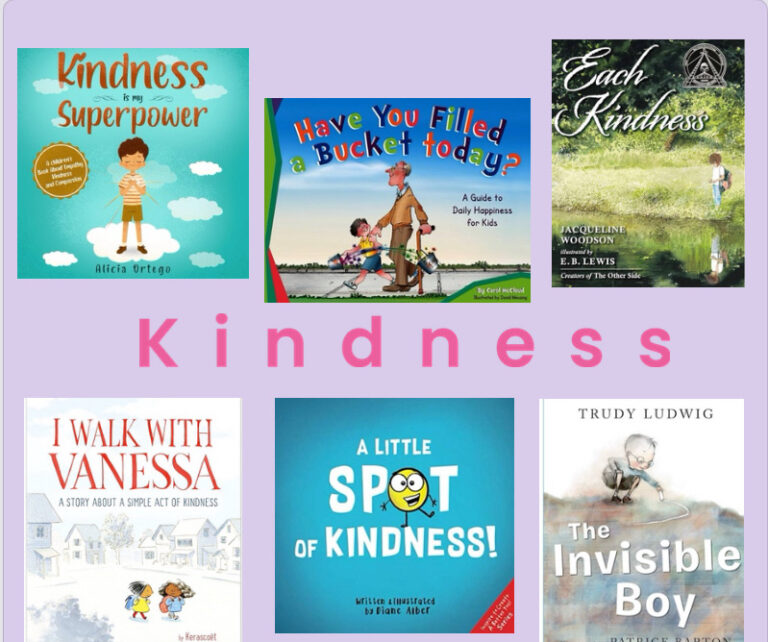
In February, we focus on kindness as we celebrate Valentine’s Day and Black History Month. Here are…

The last bell has finally rung. Check out our summer style inspiration from the ladies at the…

These books honor the special people in our lives—the ones who care, support, and show us love…
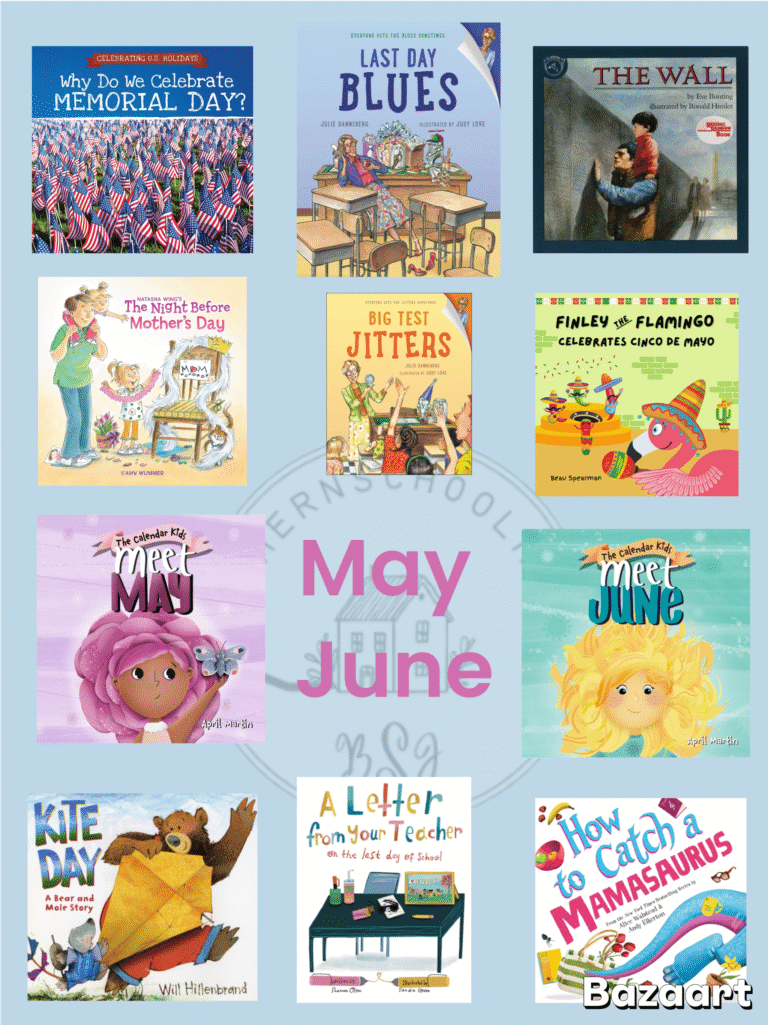
May and June are packed with excitement, celebration, and sunshine! We kick off with tacos and…
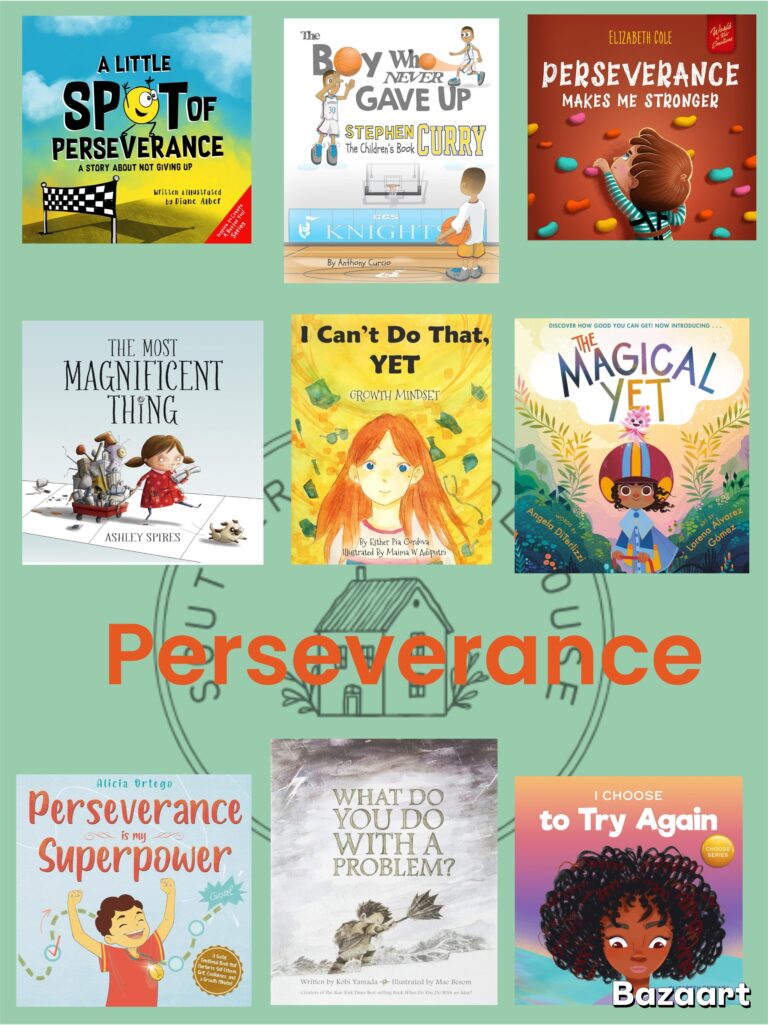
These picture books show young readers how to keep going when things get tough, how mistakes can…
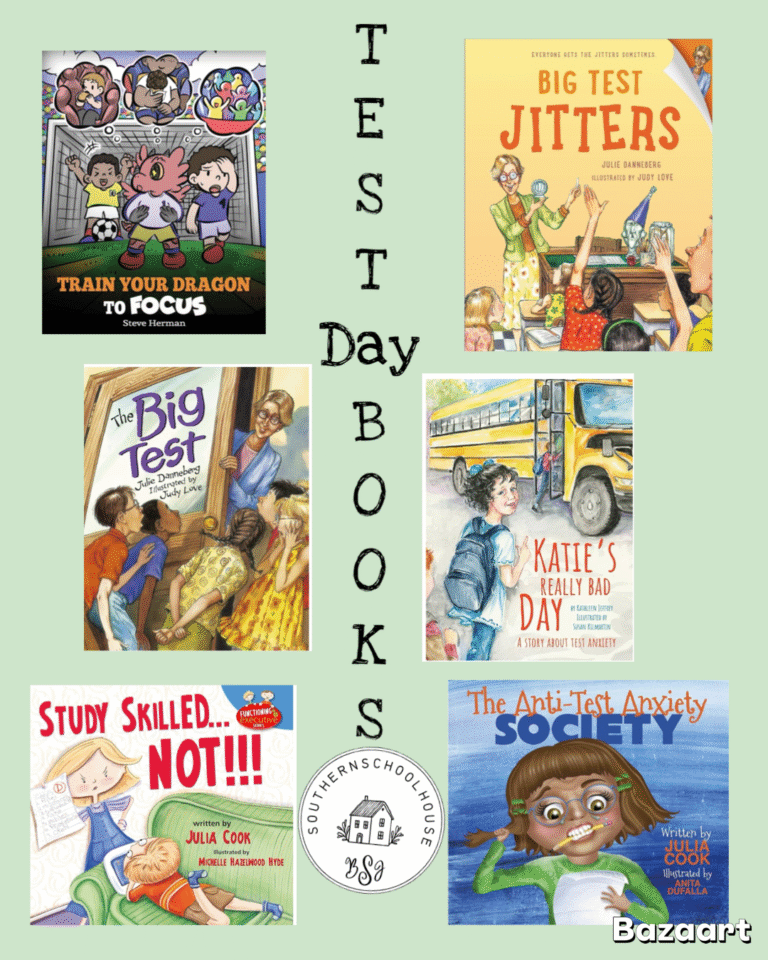
Testing season can bring big feelings, but the right stories can help students feel calm, confident…
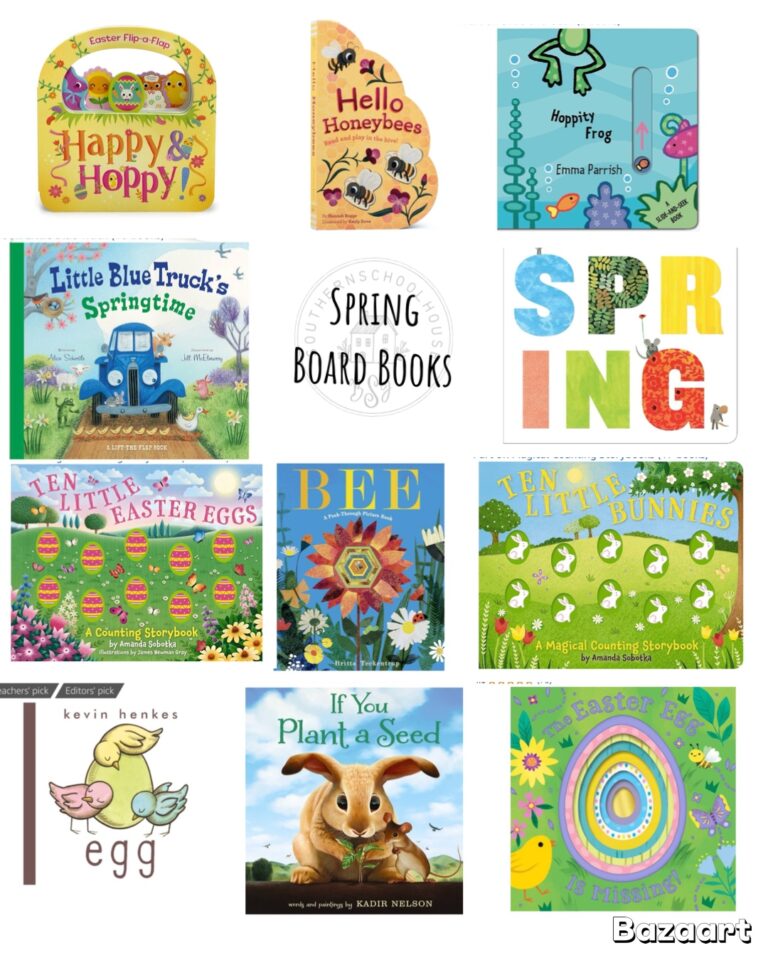
Spring board books have bright colors, playful illustrations, and rhythmic text that mesmerizes…
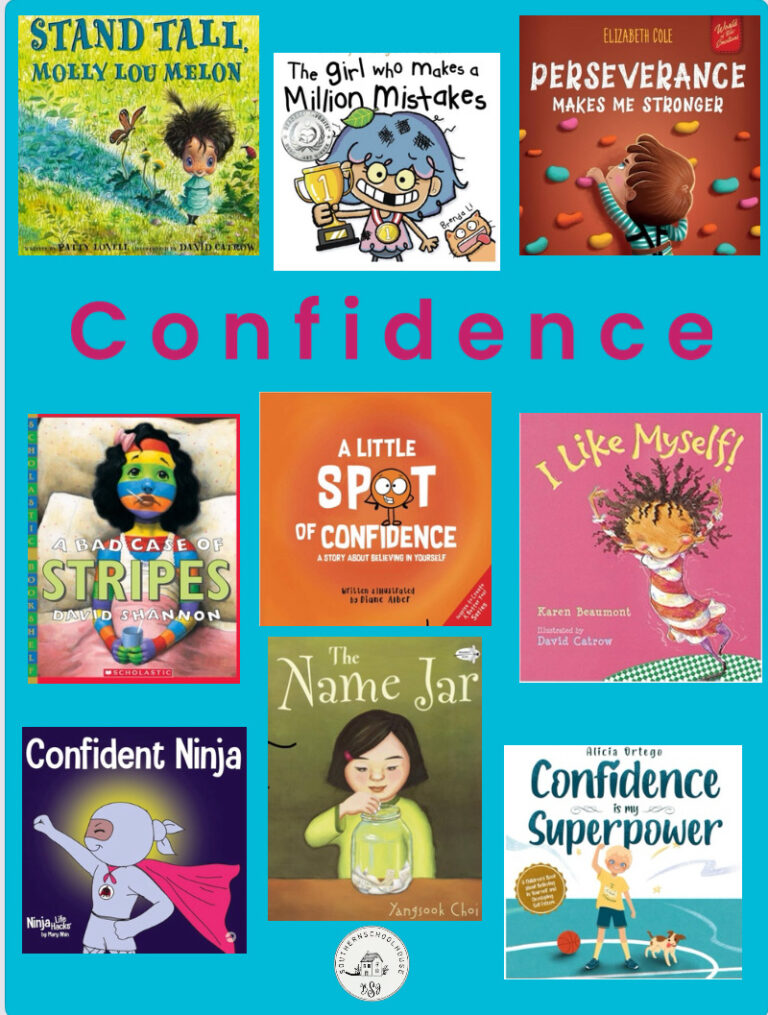
Building confidence in children is one of the most important gifts we can give them. Confidence…

April is a month full of possibilities, and for young readers, it’s the perfect time to dive into…

Fireworks!! This is the goal when you open your National Boards Account on Score Release Day. …